
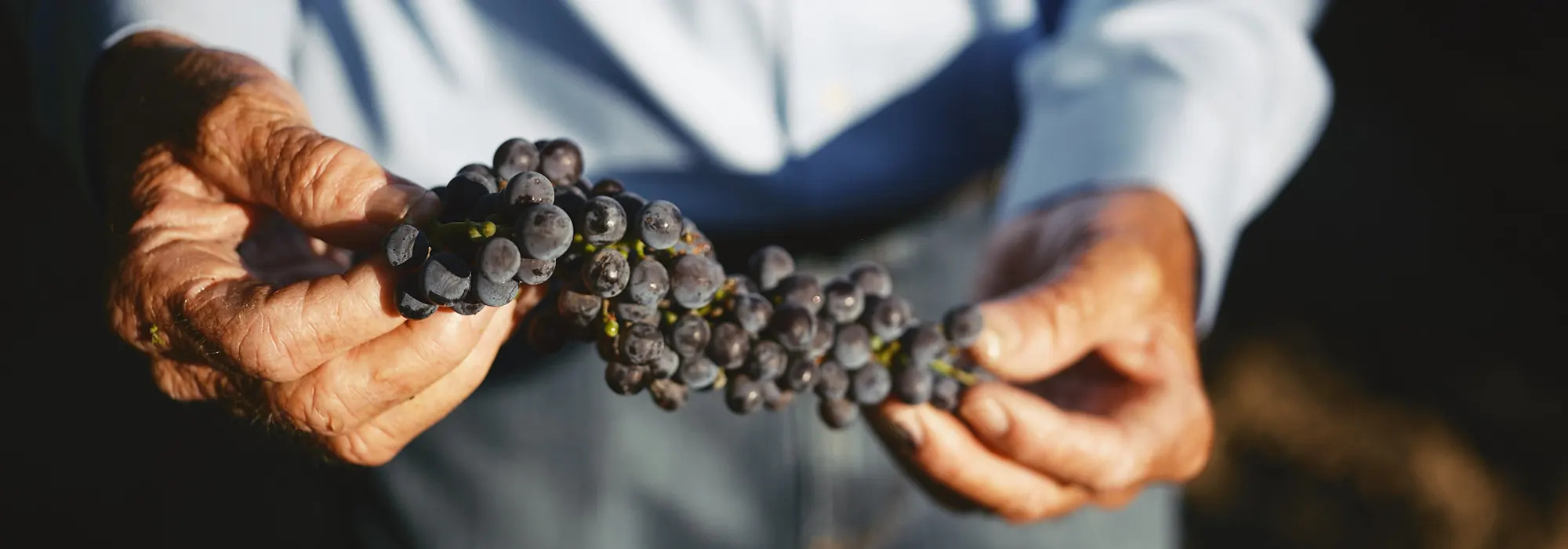
How Temecula Valley Is Cultivating a More Sustainable Future
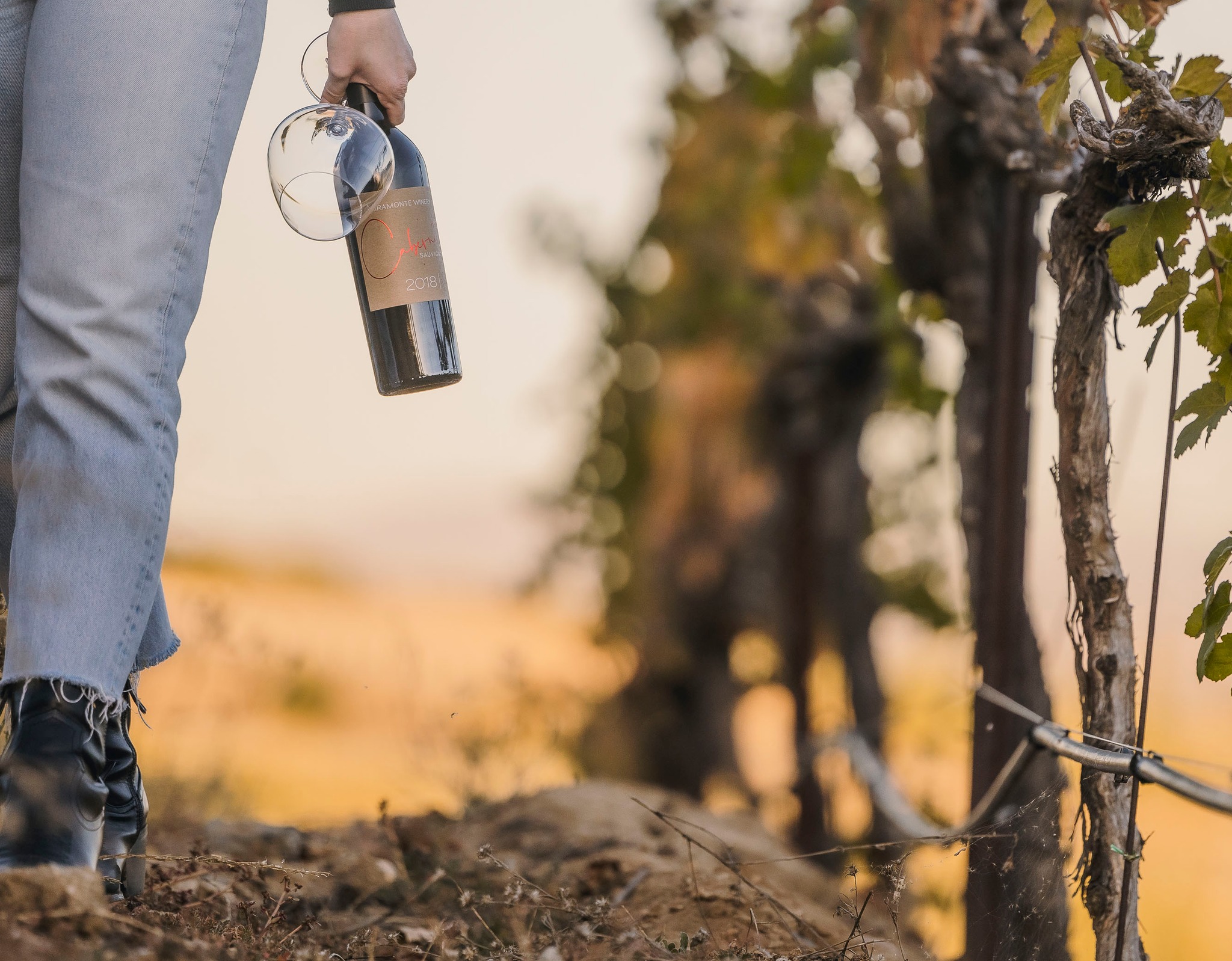
Across the region, wineries are embracing thoughtful farming practices, from cover crops and soil health to water stewardship and biodiversity, that are helping the Temecula Valley thrive.
Spring is one of the prettiest times of year in Temecula Valley wine country. The vines are waking up with bud burst, wisteria blooms, winery patios come alive, and everything has a distinct, almost buzzy energy as the season gets underway.
But look a little bit closer, and something else is flourishing in The Valley: a deepening commitment to sustainability.
The word can sometimes read a little bit dry on the page, but in Temecula, it’s actually pretty exciting in real life: it looks like healthier soils, smarter water use, cover crops between the vines, and increased biodiversity in the vineyard. It also looks like a culture of stewardship—one that supports the people who farm this land, the businesses rooted here, and the long-term viability of the community around them. It’s about growers thinking not just about this vintage, but vintages still to come.
Across the region, wineries are embracing more environmentally conscious farming and winemaking practices that help protect the land, support vineyard health, and strengthen Temecula Valley’s future as a vibrant winegrowing region. It is serious work, yes. But it is also part of what makes this place such a dynamic and important California winegrowing region.
A Region Thinking Long-Term
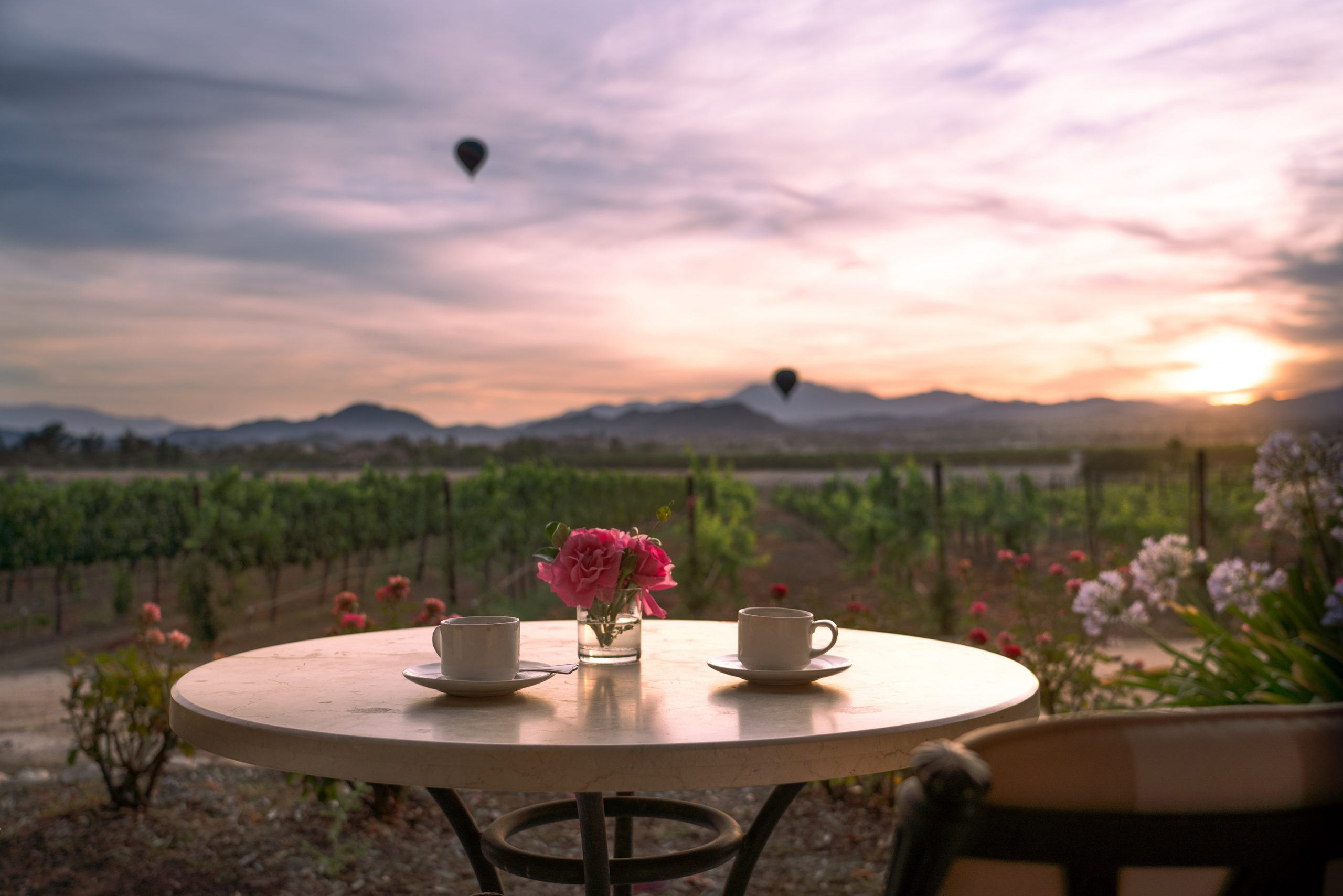
At its heart, sustainability is about taking the long view. In wine, that can mean everything from reducing inputs and conserving water to improving soil health, encouraging biodiversity, and making thoughtful operational choices beyond the vineyard. In Temecula Valley, many wineries have been committed to this work for years, and that momentum continues to build.
Ponte Winery, for example, was the first winery in Temecula Valley to earn Certified California Sustainable status in 2011. Their approach includes reduced tillage, native cover crops, and allowing soils time to rest before replanting—all practices that support the long-term health of the vineyard. They have also maintained recycling efforts throughout their operations, underscoring that sustainability is not just about farming but about how a winery functions as a whole.
Other local wineries have made similar commitments. South Coast Winery and Carter Estate Winery have both earned Certified California Sustainable recognition, with a strong emphasis on responsible vineyard management and resource conservation. More than 100 acres of vineyards rely on water sourced from the estate reservoir. In a warm Mediterranean climate like Temecula Valley, that kind of care matters. Water stewardship in particular is not just a nice idea here; it’s essential.
Healthy Vineyards Start from the Ground Up
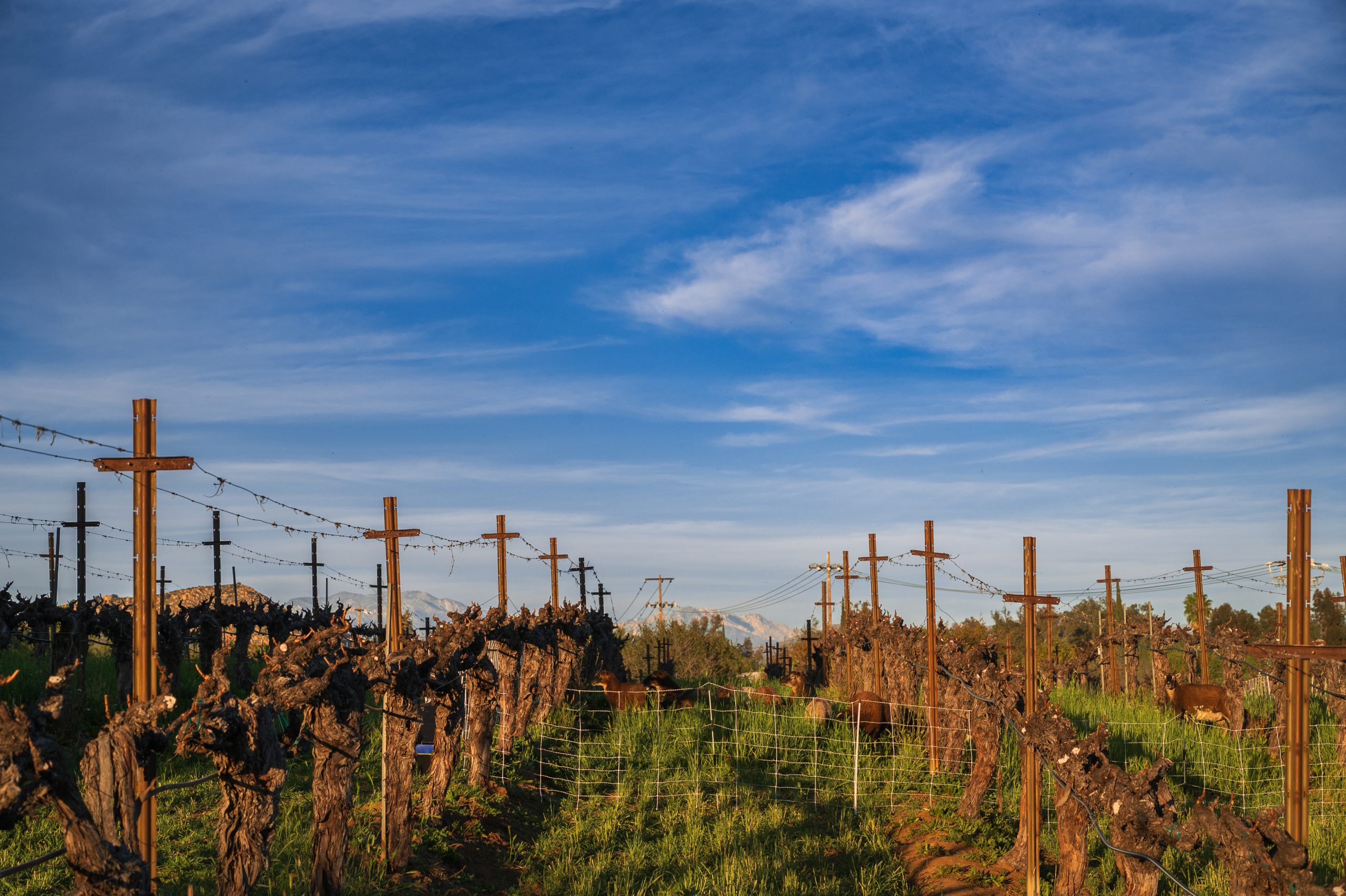
So much of the sustainability conversation begins with the soil, and for good reason. Healthy soils support healthier vines, better balance in the vineyard, and greater resilience over time.
That philosophy is central at Robert Renzoni Vineyards, which became certified sustainable in 2023 and was the first fully solar-powered winery in the region. Here, sustainability efforts include compost use, cover crops, rainwater collection, and a focused approach to soil health, reflecting a broader understanding that sustainability isn’t separate from making their consistently top-scoring wines. It is foundational to it.
Palumbo Family Vineyards & Winery has long taken a similarly holistic approach. As one of the earlier participants in the California sustainable winegrowing movement, the winery has emphasized that sustainability is not simply an environmental checklist. It’s also about being socially responsible and economically sound—a model that actively goes beyond the vineyard to support the community that surrounds it. As owner-winemaker Nick Palumbo notes, that mindset is deeply personal for a family that lives on the property, raised their children there, and sees being good stewards of the land—and good neighbors—as part of the job.
The Owls of Wilson Creek
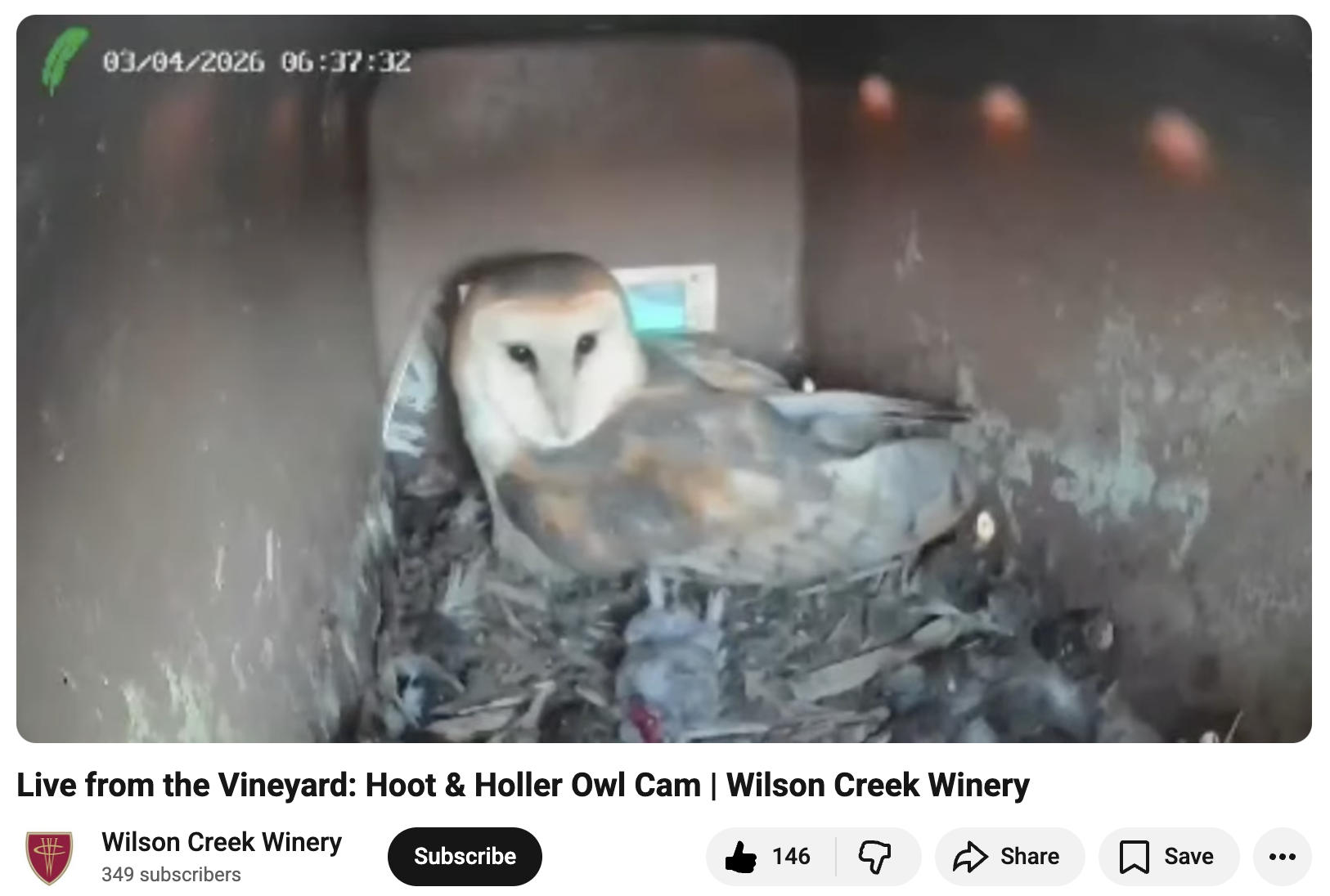
And then there is Wilson Creek, which has one of the most charming—and rigorous—sustainability stories in the region.
One of the winery’s resident barn owls, Hoot, is currently sitting on eggs inside a vineyard owl box. At the same time, her partner, Holler, comes and goes under the cover of darkness, hunting vineyard pests and keeping watch over the property. The winery has actually set up a livestream so viewers can follow along in real time as the eggs hatch and the young owls eventually leave the nest.
It is the kind of story people naturally love because, well, baby owls. But it also offers a surprisingly vivid window into what thoughtful farming can look like. These owls are part of the vineyard ecosystem and play an important role in natural pest management, one piece of Wilson Creek’s broader regenerative farming efforts. It is a reminder that the healthiest vineyards are not just planted and maintained; they are alive, interconnected places where farming and ecology can support one another.
Beyond Sustainability
Wilson Creek has been especially focused on regenerative agriculture thanks to the efforts of vineyard manager Greg Pennyroyal, who has long served as a thought leader in the space. If sustainability is about minimizing harm, regenerative farming is about actively improving the health of the land.
That work includes soil health assessments, beneficial insects, flowering plants that support biodiversity, and careful monitoring of how these systems function over time. At Wilson Creek, that monitoring also includes plant sap analysis and vineyard pest tracking, helping connect regenerative farming not just to philosophy, but to measurable results. It is detailed, hands-on work, but the goal is simple enough: create vineyards that are more resilient, more balanced, and better equipped for the future. Quality wine naturally follows.
It’s an ethos that feels very much in line with where Temecula Valley is headed as a region. This is not a place content to simply keep up. It’s a region willing to innovate, adapt, and lead.
Why It Matters to Visitors, Too
For consumers, sustainability can sometimes feel like a buzzword… until you see it up close.
In Temecula Valley, visitors are in a unique position to connect the dots. You can taste wines grown in vineyards farmed with care, but you can also experience the landscape itself: the cover crops, the wildlife, the sense of life in and around the vines. You can feel that this is a region not just producing wine, but actively investing in its future.
All of this adds something meaningful to the experience of visiting wine country. It’s not just about what’s in the glass, though, of course, that matters. It’s about understanding the choices behind it as well.
Great wines begin long before the bottle hits your table. They begin in the soil, in the farming, in the careful use of resources, and in the hearts of the region’s stewards, who believe that winegrowing should leave a place stronger, not depleted.
Raising a Glass to What’s Ahead
Earth Month is a natural moment to celebrate this kind of work, but Temecula Valley’s sustainability story is not limited to one season. It is ongoing, evolving, and increasingly woven into the identity of this exciting Southern California region.
Discover Earth Month events here: https://www.temeculawines.org/events
