Blog
Blog

Tag: wine tasting temecula valley

Summer Squash and Potato Herb Salad

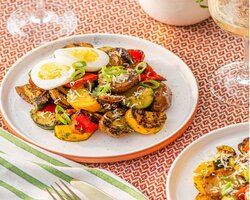
Get ready to elevate your summer dining experience with this vibrant and refreshing Summer Harvest Herb Salad. Bursting with the flavors of the season, this colorful medley of yellow and green zucchini, creamy red potatoes, succulent red peppers, and zesty red onion will transport your taste buds straight to the heart of summer. This dish calls for a wine that complements its herbaceous and zesty notes while balancing the array of vegetables, and we recommend pairing it with your favorite Temecula Valley Sauvignon Blanc.

Yield: 4 Servings

Ingredients

  • 1 yellow zucchini cut into 1 inch half moons
  • 1 green zucchini cut into 1 inch half moons
  • 1 red onion peeled and cut into quarters
  • 1 red pepper cut into 1-inch squares
  • 1 lbs of min red potatoes, cut in half and boiled for 6 minutes
  • ½ cup (120g) extra virgin olive oil
  • 4 hard boiled eggs, sliced (for garnish)
  • 2 green onions, finely chopped (for garnish)
  • ½ cup (50g) shredded asiago or parmesan cheese (for garnish)

Dressing

  • ½ cup (120g) olive oil
  • ¼ cup (60g) cider vinegar
  • ½ cup (20g) basil
  • ¼ cup (10g) chopped curly parsley
  • 1 tablespoon (2g) chopped fresh thyme
  • 1 tablespoon (2g) chopped fresh sage
  • 1 clove of garlic chopped
  • 2 teaspoons (10g) sea salt
  • 1 teaspoon (2g) black pepper

Instructions

  • Preheat grill to medium heat. Combine the zucchini, onion, potatoes, red and red pepper into a bowl and toss together to evenly coat with oil. Place in a grilling basket or pan with holes and grill for 5 to 7 minutes, stirring while cooking to avoid burning. Remove from heat.
  • Combine dressing ingredients into a food processer or a blender and blend until pureed and pesto-like. Pour over grilled potatoes and vegetables and toss together until evenly coated. Place into bowls.
  • Evenly distribute the sliced eggs over each salad and sprinkle green onions over the sliced eggs.
  • Sprinkle the cheese evenly over each salad and serve.

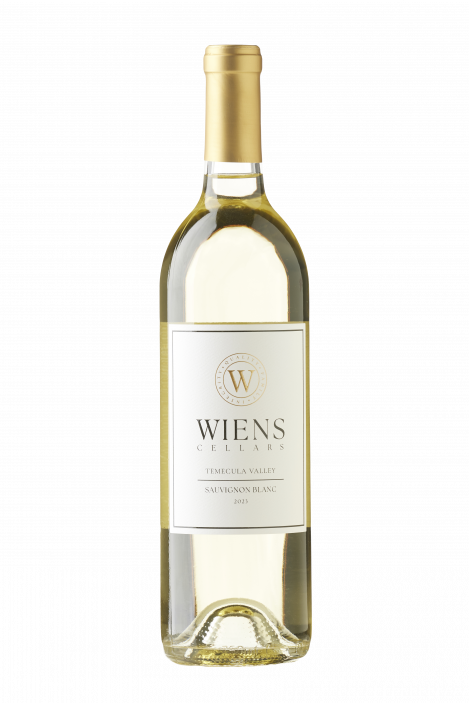
Wiens Cellars~ 2023 Sauvignon Blanc – This wine has a burst of tropical fruit that cascades into subtle notes of lemongrass, creating a harmonious blend of aromas.

Thornton Winery~ 2022 Sauvignon Blanc This wine combines the fruit and herbaceous characters of Sauvignon Blanc with the additional floral and exotic aromatic characteristics.

Falkner Winery ~ 2021 Sauvignon Blanc – This wine has aromas of passion fruit, grapefruit, and key lime.

Recipe and photo courtesy of the Wine Institute of California

Share

Meet Four Wineries Raising the Bar on Farm-to-Table Dining and Sustainable Living in Temecula Valley

Nestled in Southern California, Temecula Valley is renowned not only for its gorgeous vineyards and world-class wineries but also for a burgeoning farm-to-table movement that is captivating food and wine enthusiasts alike. A growing number of wineries in this region are embracing sustainable practices by cultivating their own gardens and greenhouses. These on-site sources of fresh ingredients are seamlessly integrated into the culinary creations served at their winery restaurants. This commitment to homegrown ingredients not only enhances the dining experience but also underscores the wineries’ dedication to environmental stewardship and local agriculture.

Meet four standout wineries in Temecula Valley that have taken the farm-to-table philosophy to heart. From vibrant herb gardens to delightful vegetable patches and storybook greenhouses, these wineries offer a unique dining experience where the journey from garden to plate is celebrated. Whether you’re a wine aficionado, a foodie, or a sustainability enthusiast, these wineries provide an inspiring glimpse into the future of responsible, delicious dining.

Meritage at Callaway Winery

Callaway Vineyard and Winery, the first commercial winery in Temecula Valley and an icon in the region’s wine scene, combines its rich history with a modern approach to winemaking and dining. Meritage Restaurant, which sits just adjacent to the stunning winery, offers a sophisticated menu that highlights ingredients from Callaway’s own greenhouse and gardens in which they grow chili peppers, Fresno chilis, kalamansi, lemons, grapefruit, finger limes, blackberries, mulberries, peaches, bell peppers, papayas, figs, dragon fruit, pomegranates, clementines, kumquats, and, of course, and grapes. Chef Michael Steff uses what’s in season in the restaurant’s daily menu items whenever possible, including salads, vegetarian items, and vinaigrettes.

When not using their own produce, the restaurant sources the best ingredients from local vendors in the area. This focus on hyper-local, farm-fresh ingredients ensures that each dish is as vibrant and flavorful as the wine it is paired with, providing a harmonious dining experience that showcases the best of what the region has to offer.

Carol’s at Baily Winery

Baily Winery holds a significant place in Temecula Valley’s history, renowned for its pioneering role in the region’s wine industry since its establishment in the early 1980s. Carol’s Restaurant at Baily Winery stands out not only for its exceptional wines but also for its authentic farm-to-table dining experience, thanks to the dedication of Carol Baily. Every spring, Carol plants an extensive produce garden next to the restaurant, cultivating a variety of fresh vegetables and herbs, including tomatoes, squash, cucumbers, eggplant, peppers, rosemary, mint, basil, bay leaves, and lavender. Beyond the garden, the property also boasts lemon trees, pomegranate bushes for salads, and rose bushes that provide beautiful table decorations. This homegrown produce is skillfully incorporated into the restaurant’s dishes, enhancing the flavors of offerings like grilled pepper gazpacho with shrimp, summer caprese salad, sandwiches and burgers topped with sliced tomatoes, grilled zucchini and eggplant, rosemary roasted potatoes, and even ratatouille during bountiful vegetable seasons.

Carol’s resourcefulness shines as she battles rabbits with Dollar Tree laundry baskets to protect her young plants, and each year, she hosts the Great Zucchini Giveaway when the squash harvest exceeds the kitchen’s needs. Next time you visit Carol’s at Baily Winery for lunch, take a moment to admire her garden, located to the left of the entrance by the lawn. This charming addition underscores the restaurant’s commitment to fresh, locally-sourced ingredients and offers a delightful glimpse into the care and effort that goes into every dish.

The Pinnacle Restaurant at Falkner Winery

Falkner Winery, perched atop a picturesque hill is celebrated for its stunning views—some of the best in Temecula Valley—and exceptional wines. Complementing this experience is The Pinnacle Restaurant, renowned for its healthy and delicious Mediterranean-American cuisine, with flavors accented by herbs taken from the winery’s own garden. This Wine Country gem has recently taken its menu a step further by introducing multiple plant-based dishes that emphasize both flavor and health.

The new plant-based menu at the Pinnacle Restaurant features creative and savory dishes such as Eggplant Parmigiana, Linguini alla Bolognese, Portobello Mushroom Risotto, Grilled Vegetable Napoleon, and Rotini alla Puttanesca. These dishes are crafted using organic vegetables and house-grown herbs wherever possible, with no meat or dairy products used. For example, the Eggplant Parmigiana uses organic eggplant sourced from local growers through Ingardia Brothers, fried crispy, and served over red lentil penne, tossed in house-made tomato marinara sauce, and topped with plant-based mozzarella cheese and fresh basil. The Linguine alla Bolognese features plant-based “Beyond Beef™” sautéed in fresh house-grown herbs, marinated in San Marzano tomato sauce, and deglazed with red wine. The focus for the Pinnacle Restaurant continues to be on healthy, flavorful food, including new items like Hearty Mushroom Soup and Wild Pacific Sea Bass, which utilize local, organic ingredients to provide a memorable dining experience that aligns with their farm-to-table ethos.

Palumbo Family Vineyards and Winery

Palumbo Family Vineyards and Winery is a boutique winery known for its artisanal approach to winemaking and its commitment to sustainable practices. While the winery does not have a restaurant on-site, it occasionally hosts private dinners for special guests and club members. Visitors to the tasting room are treated to a sensory delight, with pathways surrounded by olive trees that produce the winery’s seasonal olive oil, and landscaping filled with aromatic rosemary, lavender, sage, and more. These herbs not only scent the walkways but are also used in cooking and in floral arrangements throughout the property.

The Palumbo family’s dedication to sustainable living is evident in their approach to winery life, which includes living on-site and raising their own food, such as pigs, goats, cows, and chickens. While they aren’t permitted to sell their home-raised meats to guests, they freely share their lifestyle and values with visitors. This holistic approach means incorporating their sustainable practices into their food offerings and winery processes, such as using egg whites from their chickens in the fining of their wines, a nod to traditional winemaking methods. The Palumbo family’s commitment to respecting the land and sharing their way of life enriches the experience for all who visit their winery.

Share

Hall of Fame Inductees and Scholarship Award Recipients

Hall of Fame Inductee

The Temecula Valley Winegrowers Association (TVWA) inducted two wine country visionaries into the TVWA Hall of Fame at this year’s annual Grape Day event: Phil and Carol Baily, founders of Baily Winery in Temecula Valley. To be honored with induction into the Temecula Valley Winegrowers Hall of Fame, individuals must have made demonstrable contributions to enhancing the reputation and distinction of the Temecula Valley appellation and its wines.

The Baily family planted their first acre of grapes in 1982, expanding to six acres in 1983. They founded Baily Winery in 1986, focusing on Cabernet Sauvignon using carbonic maceration. Over time, they acquired a 20-acre vineyard and opened the Baily Wine Country Café and Carol’s tasting room. They now have 25 acres of grapes, a modern production facility, and a visitor center offering wine and food experiences in Temecula Valley.

Baily Winery is celebrated for their classic wines made using old-world techniques, and for creating their iconic vertical tasting experience, which has helped establish the region as a place capable of producing exceptional age-worthy wines. Phil Baily has also been an active member and longtime president of the TVWA Board of Directors. His leadership helped the region pass the first ever wine and agricultural heritage district in 2021.

TVWA also recognized two additional visionaries, Joe Vera and Billy Bower, with Life of Dedication awards. Vera’s decades of work as cellar master for Wilson Creek Winery earned him more than 50 harvests in Temecula Valley. Bower, who passed away in 2023, was director of agriculture at Stage Ranch Farm Management, overseeing 450 acres of Temecula Valley vineyards. With this award, both are recognized for their tireless work to promote and elevate the reputation of Temecula Valley Wine Country and pave the way for future generations.

Hall of Fame Scholarship Recipients

The Temecula Valley Winegrowers Association takes pride in celebrating and acknowledging the children of our hardworking members’ staff. In 2023, the Association introduced its first Hall of Fame Scholarship Program, which continued in 2024. This scholarship was offered to graduating high school seniors from families employed by a TVWA member. Scholarships were granted based on academic achievements, financial need, and community engagement. We are thrilled to announce that we have granted two high school students a $5,000 award each to support their college tuition and expenses over four years. Congratulations to Alexis Baumgartner and Macie Chaich for being this year’s scholarship recipients!

Share

Summer in a Glass: Discovering Temecula Valley’s Best Wines for Warm Weather Sipping

As the summer sun begins to cast its long, warm days over the rolling hills of Temecula Valley, there’s no better way to indulge in the season than by exploring the local vineyards that dot this lush landscape. Celebrated for its diverse terroir, rich viticultural heritage, and passionate winemakers, Temecula Valley offers an array of wines that promise to enhance any summer day. Whether you’re lounging by the pool, enjoying a quiet dinner on the patio, or entertaining friends and family with a backyard get-together, these wines are sure to elevate your summertime enjoyment.

From crisp, aromatic whites, to juicy rosés, to crushable reds, each wine listed below has been handpicked for its unique characteristics that capture the essence of summer and showcase the talent of Temecula’s finest winemakers. These selections tell the story of the region’s sunny days and cool nights, perfect for nurturing grapes that translate into exceptional wines bursting with ripe fruit and complexity but balanced by juicy acidity.

Whether you’re a connoisseur or casual sipper, these wines are sure to make your summer a little more special. Enjoy the journey through each glass and let the flavors of Temecula Valley bring a piece of Southern California’s Wine Country to your summer experiences.

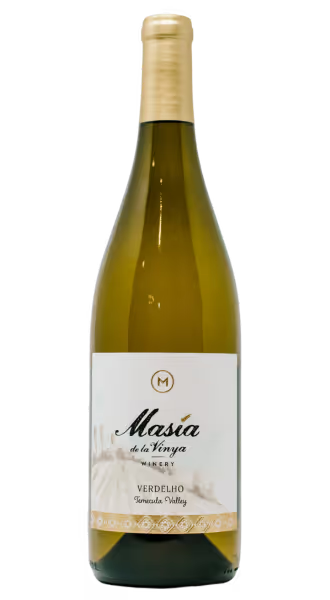
Masia de la Vinya Winery – 2022 Verdehlo, $36 | Get it HERE

The 2022 Verdehlo shines with vibrant and refreshing notes of citrus and tropical fruits, beautifully intertwined with a subtle floral undertone and a clean, mineral finish.

Why We Love It: This wine is a beacon of brightness and balance, ideal for complementing a light summer meal.

Perfect Pairing: Best enjoyed with spicy Asian cuisine like Kung Pao Chicken or a Thai Chicken Salad, where its crispness cuts beautifully through the spice.

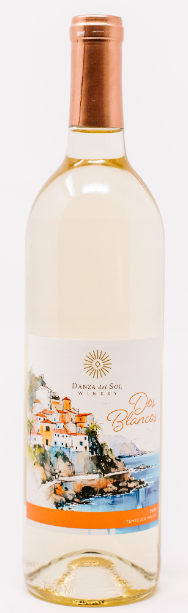
Danza del Sol Winery – 2023 Dos Blancos, $38 | Get it HERE

A delightful blend of 60% Vermentino and 40% Grenache Blanc, this wine boasts a harmony of zesty lemon, green apple, and a whisper of pear, with a smooth finish highlighted by floral and herbal notes.

Why We Love It: It’s the quintessential poolside companion—refreshing, well-balanced, and beautifully packaged.

Perfect Pairing: A glass of Dos Blancos pairs wonderfully with a seafood-rich paella, enhancing the meal’s rich flavors.

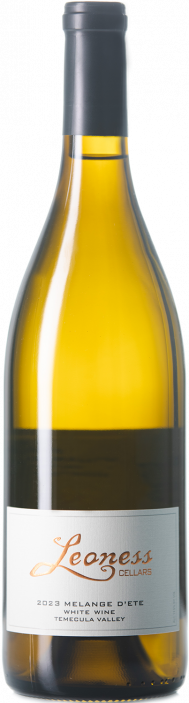
Leoness Cellars – 2023 Mélange D’Été, $29 | Get it HERE

Translating to “Summer Blend,” this wine is a fun mix of Viognier, Roussanne, Sauvignon Blanc, and Muscat Canelli. Each grape comes together to offer a symphony of peach, apricot, and citrus, culminating in a crisp, juicy finish.

Why We Love It: The wine’s light and refreshing nature makes it a staple for warm weather enjoyment.

Perfect Pairing: A charcuterie board with mild meats and cheeses complements this wine’s vibrant fruit notes.

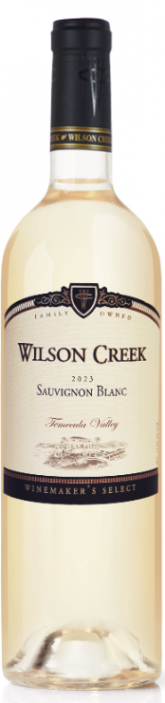
Wilson Creek Winery – 2023 Sauvignon Blanc, $35 | Get it HERE

Crisp and clean, this wine highlights flavors of green apples and lime, accented with herbal aromas, embodying the essence of summer.

Why We Love It: Always a crowd-pleaser, Sauvignon Blanc is synonymous with summer—refreshing, with a crisp acidity that’s perfect for hot days.

Perfect Pairing: Ideal with seafood like halibut and lobster, or a white lasagna for something hearty and indulgent.

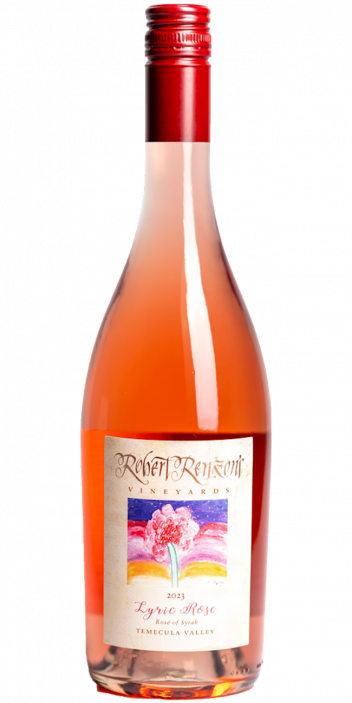
Robert Renzoni Vineyards Lyric Rose Rosé, $34 | Get it HERE

Crafted in the Provence style from Syrah grapes, this rosé exudes beautiful flavors of bright cherry, wild strawberry, and stone fruit, with a refreshing hint of lime zest.

Why We Love It: Not only does it offer a perfect blend of crisp acidity and subtle fruitiness, but it also supports a great cause, contributing $2 to the Michael J. Fox Foundation for Parkinson’s Research with every bottle sold. The wine’s label is also designed by owner Robert Renzoni’s young daughter, Lyric.

Perfect Pairing: This dry rosé pairs wonderfully with a variety of dishes. Enjoy it with white wine garlic shrimp linguine, a light summer salad, or lemon caper chicken piccata for a delightful meal.

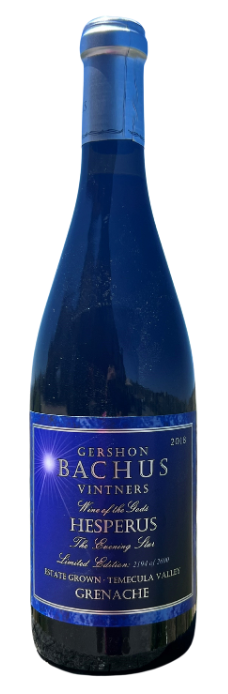
Gershon Bachus Vintners – 2018 Hesperus Grenache, $50 | Get it HERE

A light texture and ruby red hue introduce a palate that offers notes of red flowers and caramel-dipped cranberries, a round mouthfeel, and a lingering finish.

Why We Love It: This wine brings a different twist to summer wines, perfect for sipping at backyard barbecues and midday brunches.

Perfect Pairing: Enjoy with grilled proteins topped with mango sauce or summer salads with grilled fruits and candied nuts dressed in balsamic glaze.

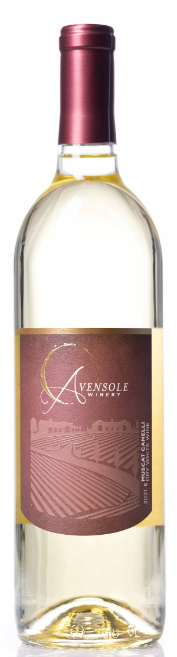
Avensole Winery – 2022 Dry Muscat Canelli, $37 | Get it HERE

This aromatic wine offers beguiling floral notes of lavender and clove along with zesty lemon and tangerine, rounded out by a hint of spice.

Why We Love It: Its refreshing taste and versatility not to mention its cheerful flavor profile make it a perfect outdoor companion for the summer.

Perfect Pairing: Light seafood dishes like grilled shrimp or scallops enhance this wine’s vibrant flavors.

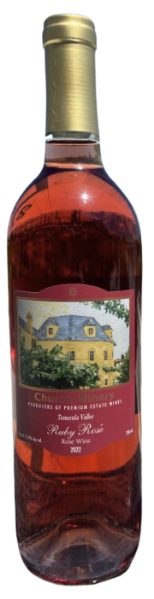
Churon Winery – 2022 Ruby Rosé, $27 | Get it HERE

Crafted from Ruby Cabernet grapes, this wine offers a delightful blend of strawberry and subtle honey notes, creating a smooth and invigorating sip.

Why We Love It: It’s an award-winning choice that’s ideal for sunny days and outdoor gatherings, as well as wine drinkers looking for a touch of sweetness on the palate.

Perfect Pairing: Pair with a crisp spring salad featuring strawberries, grilled fish with spicy mango salsa, to complement its bright fruit notes.

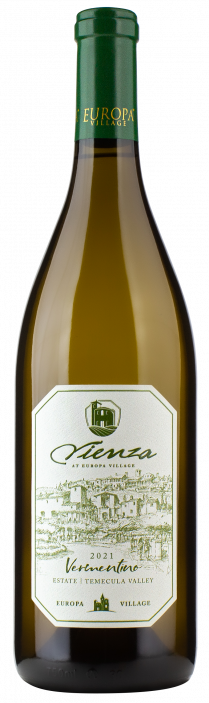
Vienza Estate at Europa Village – 2021 Vermentino, $42 | Get it HERE

This Vermentino features a tantalizing mix of sea spray and green apple aromas, with a palate of tart citrus and a long-lasting, mouthwatering finish.

Why We Love It: The Italian variety of Vermentino soars in Temecula Valley, thanks to its bright, citrusy flavor profile. This bottling is light, refreshing, and distinctly memorable, and is a wonderfully versatile wine for summer.

Perfect Pairing: The crispness of this wine is perfect with light, summer dishes or a simple cheese platter. It’s also a great apéritif on its own.

Wiens Cellars 2023 Sauvignon Blanc, $34 | Get it HERE

A vibrant tapestry of tropical fruit and lemongrass melds into a refreshing and harmonious blend of flavors, culminating in a crisp, clean finish.

Why We Love It: Inspired by French Sancerre, this Sauvignon Blanc is both invigorating and elegant, designed to enhance the brightness of a sunny day or complement light, summery dishes.

Perfect Pairing: This wine is exceptionally versatile, pairing beautifully with white fish, shellfish, light Asian cuisine, and soft rind cheeses, making every meal a refreshing experience.

Wiens Cellars 2023 Sauvignon Blanc, $34 | Get it HERE

A vibrant tapestry of tropical fruit and lemongrass melds into a refreshing and harmonious blend of flavors, culminating in a crisp, clean finish.

Why We Love It: Inspired by French Sancerre, this Sauvignon Blanc is both invigorating and elegant, designed to enhance the brightness of a sunny day or complement light, summery dishes.

Perfect Pairing: This wine is exceptionally versatile, pairing beautifully with white fish, shellfish, light Asian cuisine, and soft rind cheeses, making every meal a refreshing experience.
Share

Broccoli Pesto with Penne Pasta

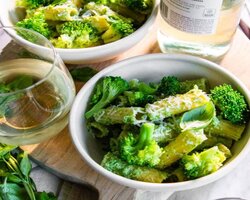
Ease into Spring with this vegetarian pasta dish. Many markets sell broccoli crowns, the florets with most of the stem removed. If you can’t find the crowns, purchase whole broccoli and cut off all but 1 inch of stem. But don’t throw away the stems! Pare them with a knife or vegetable peeler, steam them and enjoy as a nutritious snack. Pair with your favorite Temecula Valley Sauvignon Blanc.

Yield: 6 Servings

Ingredients

  • ¾ pound (350 g) broccoli crowns  
  • 16 to 18 large fresh basil leaves 
  • 1 small garlic clove, thinly sliced 
  • 6 tablespoons (90 ml) extra virgin olive oil 
  • 2 tablespoons (30 ml) heavy cream 
  • 2 tablespoons (20 g) pine nuts 
  • ¼ cup (20 g) freshly grated Parmigiano Reggiano or pecorino romano cheese, plus more for the table 
  • Sea salt and freshly ground black pepper 
  • 1 pound (450 g) dried penne rigate or rigatoni

Instructions

  • Bring a large pot of salted water to a boil over high heat. Prepare a large bowl of ice water. Boil the broccoli crowns whole until the stems are just tender when pierced with a knife, 3 to 4 minutes, then transfer with tongs to the ice water to chill quickly. Drain well and pat dry. Reserve the boiling water for cooking the pasta.  
  • Set aside one-third of the broccoli and chop the remainder coarsely. Put the chopped broccoli in a food processor with the basil and garlic. Pulse until finely chopped. With the motor running, add the olive oil through the feed tube, processing until the mixture is nearly smooth. Add the cream and pine nuts and process again until nearly smooth.  
  • Transfer the pesto to a large serving bowl and stir in the grated cheese and salt and pepper to taste. 
  • Add the pasta to the boiling water and cook until al dente. While the pasta cooks, cut the remaining broccoli into bite-size florets. Just before the pasta is done, add the florets to the boiling water to heat through. Remove 1 cup of the boiling water and whisk just enough of it into the pesto to make a sauce that will coat the pasta nicely. You won’t need it all. 
  • Drain the pasta and broccoli and add it to the serving bowl. Toss well and serve immediately. Pass additional grated cheese at the table. 

Suggested Wines

Leoness Cellars~ 2023 CS Sauvignon Blanc This wine has aromas of citrus and pear complemented by subtle hints of lemongrass, melon and a crisp, lingering finish.

Europa Village ~ 2022 Sauvignon Blanc Reserve – This wine has aromas of grapefruit and vanilla

Chapin Family Vineyards ~ 2022 Sauvignon Blanc This wine has aromas of passion fruit with peach and melon.

Recipe and photo courtesy of the Wine Institute of California

Share

California Apple, Brie, and Pomegranate Flatbread

As spring unfolds in Temecula, embrace the vibrant flavors of the season with this delightful California Apple, Brie and Pomegranate Flatbread. Quick to prepare and bursting with fresh ingredients, this dish captures the essence of springtime. Pair with your favorite Temecula Valley Sparkling Wine.

Prep: 10 minutes

Ingredients

  • 2 ounces baby arugula
  • 1 teaspoon olive oil
  • Half of a Cara Cara or Navel orange
  • Salt and pepper to taste
  • 10 store-bought mini naan or flatbreads
  • 2 small Fuji apples, thinly sliced on a mandoline or with a very sharp knife
  • 4 ounces Brie cheese, sliced into 10 thin slices
  • 3 tablespoons California pomegranate arils

Instructions

  • Place the arugula in a mixing bowl. Sprinkle the olive oil over the top, squeeze the orange half over the greens and season lightly with salt and pepper. Toss with fingertips to coat all of the arugula.
  • On a serving board, arrange the flatbreads. Divide the dressed arugula amongst the flatbreads; you may have a bit leftover.
  • Lay 2-3 thin slices of apple over the arugula on each naan/flatbread and top each one with a thin slice of Brie.
  • Sprinkle pomegranate arils over the tops of all of the flatbreads right before serving.

Suggested Pairings:

South Coast Winery~ ~ Sparkling Brut

Carter Estate Winery – Sparkling Brut

Raul Ramirez Winery ~ Vintage Gran Reserva Sparkling Cava

Recipe and photo courtesy of the Wine Institute of California

Share

Toast Temecula Valley This Earth Day

This SoCal region will be making award-winning wines for generations to come thanks to their robust sustainability efforts and regenerative agricultural practices

Nestled in the rolling hills of Southern California, Temecula Valley is emerging as a beacon of sustainable viticulture, marrying age-old winemaking traditions with pioneering environmental practices. The region, famed for its warm Mediterranean climate, diverse range of grape varieties, and welcoming tasting rooms, has also become a hotbed for regenerative agriculture, where wineries strive not merely to coexist with nature but to actively rejuvenate their land. This approach, championed by local vintners, emphasizes soil health, water conservation, and biodiversity, ensuring that the vineyards not only produce high-quality grapes but also contribute to the ecological balance and social well-being of the valley.

Several Temecula wineries are leading the charge in this green revolution, adopting organic farming techniques that shun synthetic pesticides and fertilizers in favor of natural alternatives. These practices not only enrich the terroir but also foster a sustainable ecosystem conducive to premium winemaking. Among the vineyards, one can witness a harmonious blend of traditional methods and innovative strategies aimed at reducing the carbon footprint and preserving the natural beauty of the region for future generations. In exploring Temecula’s commitment to sustainability, we delve into the stories of these pioneering wineries, their philosophies, and the tangible impact of their efforts on both the environment and the quality of their wines.

Palumbo Family Vineyards & Winery

The Palumbos have been active participants in the California Sustainable Winegrowing Alliance since 2002, and were one of the first wineries in Temecula Valley to become certified through this program. “We not only became certified in our vineyard, but also in our winery, knowing that if you are truly committed to sustainability, you have to look at your whole business and its impact on the community,” says owner/winemaker Nick Palumbo.

Palumbo notes that they share many of the same tenets and practices of regenerative farming, although they place equal emphasis on the three “Es” of sustainability. “After all, being Environmentally friendly, socially Equitable, and Economically sound is more than a business model,” he says. “By living on property, raising our children here, and being active members in our community, it is important to be good stewards of the land and good neighbors, as well as being able to continue to do business in a positive and ethical way.”

Robert Renzoni Vineyards

Robert Renzoni Vineyards, a trailblazer in sustainable winemaking in Southern California, achieved a significant milestone in 2023 by obtaining certification as a California Sustainable Winegrowing (CSWA) operation and becoming the region’s first winery to be fully powered by solar energy. “As a family-owned winery dedicated to producing high-quality wines, Robert Renzoni Vineyards shares the commitment to preserving sustainable agriculture and protecting the land for future generations,” says winemaker Olivia Bue.

They are also deeply committed to soil and nutrient management to maintain vineyard health. “Healthy soil is the basis of sustainable winemaking and has a direct impact on wine quality,” says Bue. “In order for Temecula Valley to continue succeeding and growing as a region, we need to prioritize our land for future generations.”

The winery’s care for the soil includes integrating high quality compost (the most nutrient dense material) from Amended Soils in Sonoma into their own soil, planting cover crops annually to stimulate biological activity and enhance organic matter content within the soil, avoiding synthetic fertilizers (they are a pesticide-free estate), implementing rain water collecting tanks to limit water usage, properly managing pH and vine balance, and managing pests with organic materials when necessary. “Our commitment to the land goes beyond just sustainability,” adds Bue. “It’s about creating a partnership that benefits both the environment and the community for decades to come.”

Wilson Creek Winery and Vineyards

Wilson Creek has long been fully committed to a program of regenerative agriculture. They started with a traditional sustainability program eleven years ago, which included the elimination of all herbicides, the introduction of cover crops, reduced and eliminated tillage, irrigation, efficiency, and a program of reduced fungicides and insecticides through integrated pest management programs. 

Seven years ago, led by vineyard manager Greg Pennyroyal, they introduced a regenerative agriculture program. “The core concept of regenerative agriculture is that all things are connected in a diverse community of self-regulating related systems,” explains Pennyroyal. “To assist in managing these complex systems, we started a program of environmental-monitoring and data-gathering to see the effects of our regenerative program.”

This extensive program includes a rigorous regimen of tasks, including biweekly plant sap analysis during the growing season, which gives a detailed quantitative report over time of the actual uptake of all major and minor plant nutrients, monthly soil health assessments, Glassy Winged Sharpshooter monitoring, and the introduction of beneficial insects and insectary flowering plants, among many other activities. It also includes ongoing collaborative studies with other regulatory agencies, utilities companies, government entities, and private businesses for monitoring and cause-effect analysis.

And the proof is in the pudding. “Block Nine is our most intensive biologically supported block,” notes Pennyroyal. “After three years, Block Nine is showing significantly increased yields, decreased pathogen pressure, improvement of vineyard microbiome, and improved winemaking. We are also monitoring economic inputs and returns to demonstrate not only the scientific but the economic viability of regenerative practices.”

Pennyroyal and his team are always the first to support others in their efforts toward sustainable practices.  “Sustainability has generally been focused on limiting additional negative impacts on the environment,” he says. “Considering our current state of accelerating ecosystem degradation, we feel we need to go beyond stability and move towards regeneration. Regeneration is not only limiting negative factors but also supporting overall ecosystem services to reverse the downward spiral towards an upward spiral of improvement in diversity and resiliency.” 

He believes that Temecula Valley is in a unique position to lead these efforts both locally and in other wine-producing regions, given their climate for wine production, as well as access to outreach through direct-to-consumer experiences. “The public is often confused by the newly emerging science of true ecosystem restoration and regeneration,” he explains. “By directly engaging with our guests, we can deliver an authentic person-to-person experience and understanding.” 

Ponte Winery

Ponte Winery began its transition to sustainable practices in 2007, and, in 2011, became the first winery in Temecula Valley to achieve the Certified California Sustainable Winegrower designation. A key aspect of their environmental strategy is the “no tillage” approach, which they have implemented to control erosion and maintain the integrity of organic matter in the soil, limiting soil disturbance to just once a year for weed management. They have also embraced the use of native cover crops since 2007. “We work to respect the land by not introducing non-native plants into the vineyard,” says assistant winemaker Juan Domingo. “We leave fields fallow for a minimum of two years with only native plants to let the soil rest before we replant.”

Always pushing their sustainability efforts forward, Ponte has been committed to recycling glass, cardboard, and cork since 2007, ensuring that waste materials are repurposed and not simply sent to landfills. This recycling initiative is a significant part of their sustainability efforts, reflecting their dedication to environmental stewardship across all their properties.

“We take care of the land and business as one,” says winemaker Arnaud Debons. “We started as leaders in sustainability, and we would like to continue to be the one others get inspiration from. In doing so we as a Valley can help reduce our Carbon footprint while still providing good hospitality to our guests.” 

South Coast Winery & Carter Estate Winery

South Coast Winery and its 200-acre vineyard have been certified sustainable since 2013, with sister property Carter Estate Winery joining the ranks in 2018. Both are accredited by the California Sustainable Winegrowing Alliance. Their sustainability efforts prioritize resource conservation – in particular water – with more than 100 acres of vineyards relying on water sourced from their own reservoir, a critical strategy given the recurring drought conditions fueled by climate change. To that end, the winery’s vineyard management practices are finely tuned to optimize water use and availability.

In a concerted effort to ensure the health of their grapevines, both properties minimize synthetic inputs and implement rigorous pest and disease monitoring and control. “An exceptional aspect of our vineyard ecosystem is its integration with the natural environment, exemplified by our vineyards bordering the Cleveland National Forest,” says assistant winemaker Emily Bloom. “We endeavor to maintain harmony with the surrounding ecosystem, fostering the growth of native plants and encouraging natural pest control through neighboring wildlife.”

Bloom and her team understand that sustainability is not a one-and-done philosophy and acknowledge that there is always room for progress. But they also know that these efforts are non-negotiable when it comes to safeguarding viticulture in Temecula Valley and beyond for generations to come. “In line with global trends, Temecula Valley, like much of the world, is experiencing more extreme weather due to intensified climate change. It’s crucial for us all to acknowledge this reality and continually improve our farming and winemaking practices,” she says. “Many wineries and vineyards in the area are already leading the way with sustainable, organic, and regenerative methods, inspiring us to strive for a more sustainable future. We commend the hard work of growers in the valley and remain committed to crafting distinctive wines from high-quality grapes through environmentally responsible practices.”

Share

Golden State Sliders

These sliders bring together a tantalizing medley of meats and toppings, resulting in a bite-sized masterpiece that embodies the true essence of the Golden State. Pair with your favorite Temecula Valley Cabernet Sauvignon.

Ingredients

Patty Ingredients:

  • 1-pound (454g) medium ground beef
  • ½ pound (225g) lean ground beef
  • 1-pound (454g) ground turkey
  • A bunch of fresh parsley, finely chopped
  • ½ – 1 cups (60-120g) breadcrumbs
  • 1 large egg
  • 3 cloves garlic, minced
  • Coarse salt
  • Ground pepper
  • 3 tablespoons (45g) Worcestershire sauce

Toppings:

  • Arugula
  • Heirloom tomatoes, sliced
  • Pickled red onions
  • 12 buns (recommend brioche)
  • Slices of aged sharp cheddar
  • 2 ripe avocados, sliced

Sauces, as desired:

  • Dijon
  • Ketchup
  • Aioli or mayonnaise

Instructions

  • In a large bowl, combine the ground meats with the chopped parsley, egg, Worcestershire sauce, garlic, and ½ cup of breadcrumbs. If the texture feels too wet, add in more breadcrumbs until the patties feel like they’ll hold their shape.
  • Using hands, roll out into 10-12 even balls, using your mini buns as reference. Reminder! They will shrink a bit as they cook. Press lightly to form patties.
  • Place patties in refrigerator for at least 30 minutes. In the meantime, prepare your toppings.
  • Preheat grill to medium-high. Grill the patties to your liking, adding the slices of cheese on top of the patties once they’ve been flipped. Toast your buns on the grill in the last minute or two before the burgers are done.
  • Remove from heat and place back into the mixing bowl if chilling to serve cold or place an even amount onto each plate and top with a spoon of goat cheese. Sprinkle fresh shredded basil overtop and serve.
  • Build with desired toppings and sauces and serve warm.

Suggested Wines:

Falkner Winery~ 2021 Cabernet Sauvignon – The wine has smooth flavors of blueberry and plum.

Chapin Winery ~ 2021 Cabernet Sauvignon This wine has aromas of blueberry, mocha, plum and vanilla.

Wiens Family Cellars~ 2019 Kriel Cabernet Sauvignon – This wine has aromas of black plum, nutmeg & baked vanilla bean

Recipe and photo courtesy of the Wine Institute of California

Share

Get to Know the New and Emerging Talent in Temecula Valley Winemaking

Shane Sevier, Vitagliano Winery & ActionWines

Shane Sevier’s winemaking journey began in 2010 at the young age of 18. By 2018, he had taken over winemaking at Vitagliano Winery, and, just last year, he launched his own company, ActionWines.

Shane’s foray into winemaking started when he was a busboy at Falkner Winery. “The winemaker Steve Hagata would always come in for lunch and I got to know him and his assistant winemaker George Meyers very well,” he says. This led to a lifelong passion. “I would not be where I am if it wasn’t for Steve Hagata and George Meyers.  They have become like family to me.”

He cherishes the breathtaking beauty of Temecula Wine Country and the supportive community that surrounds him. “I also love being able to craft something that people enjoy with friends and family and how it can bring people together to celebrate life in general!” When it comes to Temecula grapes, Shane is captivated by Muscat. “I love making a dry, crisp, and tropical wine with Muscat,” he says. “[It] has such an amazing nose and can offer great complexity if done right. It can be very versatile and is a beautiful grape.”  

Looking forward, he sees a bright and bustling future for Temecula, driven by a dedication to continuously elevating the quality of the region’s wines. “We have a community here that is trying to push the quality of our wines and striving to always improve and be better,” he says. “As time goes on and that catches more and more traction, Temecula will keep getting better and better. 

Nathan Zema, Mount Palomar Winery

Nathan Zema’s winemaking odyssey in Temecula Valley kicked off in 2006 at the age of 17, with a career spanning various roles including everything from events and tasting room hospitality to Jeep tours to operational management and, ultimately, wine production. “Each of these positions has deepened my understanding of the Valley’s distinctive farming and winemaking practices and our patrons’ evolving tastes and preferences,” he says. “Mentored by notable figures like Marshall Stuart and Enrique Ferro, I had the privilege of observing and contributing to the Valley’s evolution from a young age, watching as other winery owners embarked on their ventures.”  

For Nathan, the allure of winemaking in Temecula lies in the Valley’s stunning landscapes, tight-knit community, and unwavering commitment to quality. “[Through] its evolution over the years, the Valley has preserved its original, fun-loving community ethos,” he says.

He has a particular fondness for Petite Sirah, thanks to its intense, bold colors, depth, and intricate characteristics. It also carries personal significance for him. “It’s the first variety I worked on in the Valley, with my contribution, which led to a notable achievement – a double gold best-in-class,” he recalls.

Nathan sees a bright horizon for Temecula Valley winemaking. “I foresee immense opportunities for the younger generation to marry traditional winemaking methods with cutting-edge technological advancements,” he says. “This fusion is crucial in producing wines that are not just of superior quality but also embody the true essence of our region.”

Nadia Urquidez, Doffo Winery

Born in Ensenada and raised in the small town of San Vicente in Baja California, Mexico, Nadia Urquidez’s winemaking career started in 2011 at Doffo Winery, where she has been for nearly nine years. Her entry into winemaking was sparked by a friend’s call about a winery in need of her expertise in science. Thankfully her Bachelor of Science degree in chemistry came in handy.

Nadia enjoys the diversity of grapes and the supportive winemaking community in Temecula Valley. When it comes to making wine, she has a special affinity for Cabernet Sauvignon. “I just love the way it is,” she says. “The maturation in the vine is perfect. During the fermentation process, it releases spectacular aromas that remind me of Mexican cuisine. And then it is a challenge because [if not produced correctly] it can have a lot of astringency and green notes… The most important thing is that people always expect a good Cabernet Sauvignon: big, round, and balanced.”

While Nadia remains optimistic about the future of winemaking, she is realistic about obstacles the wine industry faces in general. “It will be a challenge; first because of global warming,” she says. “Weather directly impacts the quality of the grapes. Also, young adults are choosing to drink less or choosing other types of beverages.”  

Kristina Filippi, Wilson Creek Winery

Kristina Filippi has 16 years of winemaking under her belt, with the last 2.5 at Wilson Creek Winery. Her journey began shortly after her 21st birthday when she fell in love with the winemaking process and industry, ultimately making her way to Temecula Valley. “The climate and weather can’t be matched, [plus] the beautiful scenery and wonderful people!”

While she admits that choosing a favorite grape to work with feels akin to picking a favorite child, she’s currently leaning toward Malbec, especially thrilled with the unique outcome of the 2023 vintage.

Kristina believes the future of winemaking in Temecula is bright, marked by creativity, innovation, and a collaborative spirit that is setting a new standard for the industry. “The quality of Temecula Valley wine improves each year, and the willingness of so many in our winemaking community to communicate, share knowledge, and help each other out is creating an environment that is truly valuable and unique,” she says.

Chris Johnson, Altísima Winery

Chris Johnson transitioned from a career as a paramedic to winemaking over 10 years ago, bringing his passion for wine to Altísima Winery in December 2020. “I have always been Intrigued with wine since I was a teenager [and] how the same variety could vary from winery to winery and region to region,” he says. “So, I decided to enroll in Washington State University’s extension Enology program. Over the next 3 years, I had the opportunity to learn from Enrique Ferro, Pete Mousis, and Tim Kramer. Being surrounded by the passion they all shared really shaped the winemaker I am today.” 

Chris relishes the year-round effort to craft exceptional wines in Temecula Valley, from vineyard maintenance to the bottling process. “I love working hard and showing a wine I’m proud of,” he says. When it comes to grapes, Tempranillo holds a special place in his heart for its blending potential and unique characteristics.

Looking ahead, Chris is optimistic about Temecula’s winemaking future, crediting some of the original wineries and winemakers for setting a high standard and fostering a culture of innovation and growth. “I’m excited to see how this new generation of winemakers can learn from the original winemakers and continue to push the standard every year,” he says.

Dakota Denton, Gershon Bachus Vintners

Dakota Denton has been crafting wines for 18 years, serving as the winemaker for Gershon Bachus Vintners for the last decade. His entry into the wine industry was somewhat accidental, starting at Carol’s Restaurant at Baily Winery at the age of 15. By the time he was 20, he had landed a full-time job in the cellar, where he came to love the process of winemaking.

Dakota treasures the camaraderie among Temecula’s winemakers and the quality of grapes that make his job a joy. “One of my favorite things about making wine in Temecula is that the people get to know the other winemakers and staff, and everyone is always so friendly,” he says. “Plus, the grapes we are growing in the Valley are amazing to work with which makes my job a little easier.” He has a particular fondness for Cabernet Franc, drawn to its berry aromas, hint of earthiness, and long, dry finish.

Dakota sees the future of Temecula winemaking leaning toward Spanish and Italian varieties, excited about the potential for these grapes in the Valley. “Which reminds me,” he says. “We have a great Sangiovese on the menu!”

Share

Trio of Stuffed Peppers

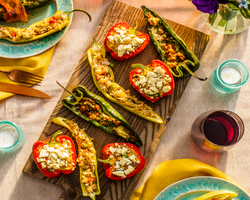
If you’re looking for a party favorite that will appeal to all palates, look no further than this trio of peppers recipe. This recipe comes complete with a trio of different stuffing options: meat, vegetarian, and vegan. We suggest you pair it with your favorite Temecula Valley Zinfandel!

Ingredients

Pepper Preparation

  • 8 jalapeno or poblano peppers halved and seeded
  • 8 sweet red banana pepper or 4 sweet red bell peppers halved and seeded
  • 8 yellow chile peppers or banana pepper peppers halved and seeded

Jalapeno or poblano pepper filling (Meat)

  • ½ lb (226.8g) ground spicy Italian or chorizo sausage
  • ¼ cup (25g) chopped green onions
  • ¼ cup (6g) cilantro chopped
  • ½ cup (60g) smoked Gouda shredded
  • 8 slices of bacon cut in half to make 16 smaller strips

Red banana or sweet red pepper filling (Vegetarian)

  • ¼ cup (30g) chopped asparagus
  • ¼ cup (60g) diced tomatoes
  • 2 tablespoons (20g) chopped red onion
  • ½ cup (75g) feta cheese crumbled
  • 2 tablespoons (5g) shredded basil
  • 2 eggs with 2 tablespoons (28g) extra virgin oil whisked together
  • 1 teaspoon (5.7g) sea salt
  • ½ cup (30g) breadcrumbs

Stuffed yellow chile or banana peppers filling (Vegan)

  • 1 cup (195g) cooked rice
  • ½ cup (85g) cooked black beans
  • ¼ cup (30g) corn kernels
  • ¼ cup (40g) diced tomatoes
  • 2 tablespoons (15g) chopped green onions
  • 1 tablespoon (3g) chopped parsley
  • 1 teaspoon (5g) Tabasco
  • 1 teaspoon (2g) cumin
  • 1 tablespoon (15g) lime juice
  • 1 teaspoon (5.7g) sea salt
  • ½ cup (30g) breadcrumbs

Instructions

  • Jalapeno or poblano pepper filling (Meat)
  • Mix the cheese, onions, cilantro and ground sausage together.
  • Stuff each halved jalapeño with an equal amount of filling and wrap each one tightly with a slice of bacon.
  • Place on a lined baking sheet and bake in a preheat oven at 350°F degrees for 15 to 20 min or until filling and bacon are cooked.
  • Red banana or sweet red pepper filling (Vegetarian)
  • Combine all ingredients, except the feta cheese, into a bowl and mix thoroughly together.
  • Stuff the peppers with an equal amount of stuffing and top with crumbled feta cheese.
  • Bake in 350°F degrees oven for 7 to 10 min or until mixture is firm and cheese is melted and slighted browned.
  • Stuffed yellow chile or banana peppers filling (Vegan)
  • Combine all ingredients into a bowl and mix thoroughly together.
  • Stuff each half pepper with an equal amount of filling and bake at 350°F for 7 to 10 min or until pepper is cooked.
  • An additional option is to top them with a vegan cheese of your choice before baking.

Suggested Wines:

Wilson Creek Winery~ 2020 Zinfandel – The wine is full of flavors of boysenberry and blackberry. 

Akash Winery ~ 2020 Zinfandel – This wine has aromas of blueberry crumble with notes of caramel, campfire smoke, and wild blackberry.

Danza del Sol ~ 2020 Zinfandel – This wine has aromas of blackberry, cinnamon spice, and dried date.

Recipe and photo courtesy of the Wine Institute of California

Share
  • Categories

  • Archives

  • Banner Ads